1. Opening – Straight Into It
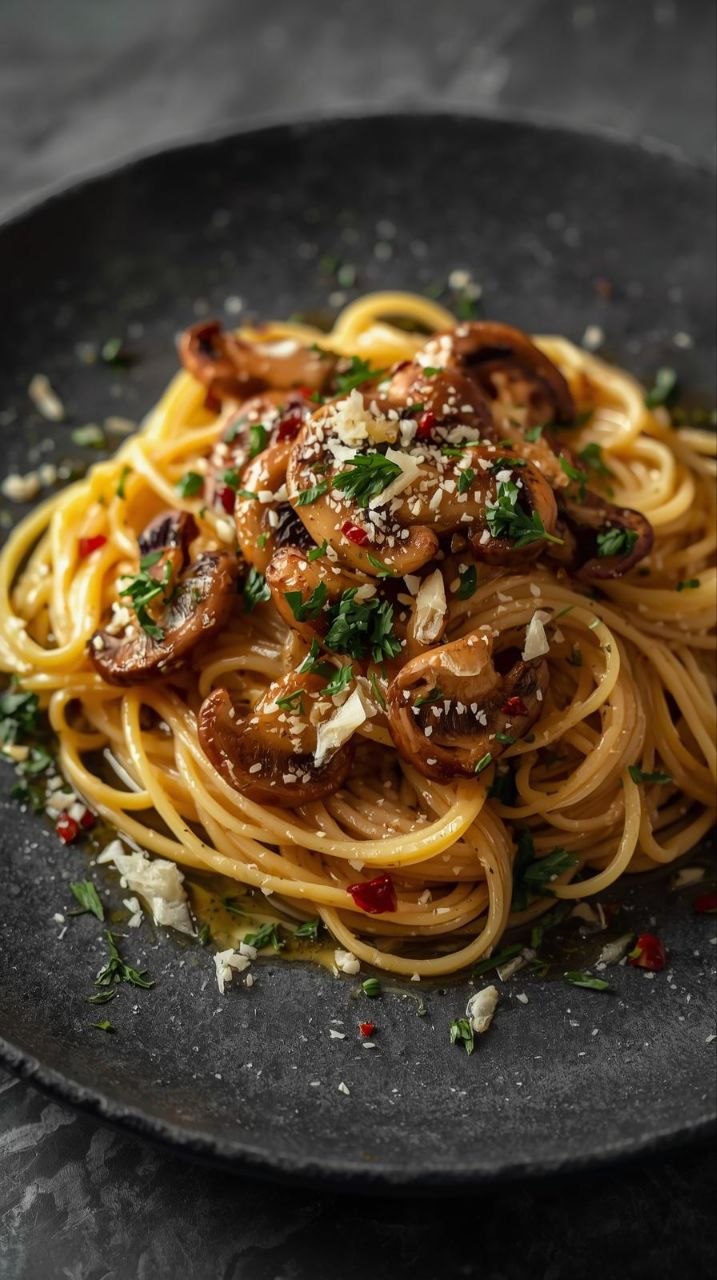
Oyster mushroom pasta is one of those dinners I fall back on when it’s late, I’m not keen to decide anything, and I want something that behaves the same way every time. It usually shows up midweek for me, somewhere between real cooking motivation and just eating toast over the sink.
I make this when I’ve already used up most of my brainpower earlier in the day. It doesn’t need checking every thirty seconds, and it doesn’t surprise me halfway through. Once you’ve done it a couple of times, it runs on muscle memory. Boil pasta. Cook mushrooms. Stir through sauce. Done.
The main reason it stays in my routine is because oyster mushrooms cook predictably. They soften, then brown, then they’re ready. They don’t suddenly flood the pan or go rubbery if I get distracted folding laundry or replying to messages. They just sit there and get better with time, which is honestly what I need from dinner most nights.
It also uses pantry stuff I almost always have around. Pasta lives in the cupboard permanently. Garlic is usually somewhere in the kitchen even if it’s rolling around the crisper. Cream or a dairy-free alternative is easy enough to keep or swap. Olive oil is automatic.
It’s not a dramatic meal. It’s steady. It fills the gap between being too tired to cook and too hungry to skip dinner. That’s about all I ask from it.
2. How This Fits Into My Week
This sits in my rotation as a low-resistance dinner. It’s usually my Wednesday or Thursday meal, when leftovers from earlier in the week are gone and takeaway feels like too much effort to organise.
I come back to it because it doesn’t depend on exact ingredients. If I’ve got oyster mushrooms, I know the rest can be improvised without changing the result much. That consistency is why it keeps turning up. I don’t have to mentally rehearse the recipe while standing in the kitchen.
Energy-wise, it’s middle-of-the-road. I wouldn’t make it if I’m completely wrecked, but I don’t need enthusiasm either. It’s more like: I can do this while thinking about something else. It doesn’t require tasting every five minutes or adjusting heat constantly.
Another reason it works midweek is the washing up stays manageable. One pot for pasta. One pan for everything else. I’ve accidentally added extra bowls over time, but I’ve slowly trained myself out of that because it just creates extra cleanup I resent later.
It also lines up well with grocery habits. Oyster mushrooms last long enough in the fridge that I don’t feel rushed to use them the day I buy them. If I forget about them for a couple of days, they’re usually still fine, which means the meal doesn’t disappear from the plan.
Some weeks I make it twice. Not because it’s exciting. Because it’s dependable and fits around whatever else is happening.
3. Ingredients (Routine-Based)
What I Always Keep
Pasta is non-negotiable. I normally use spaghetti or fettuccine because that’s what I automatically grab. I’ve tried short pasta plenty of times and it works fine, but my brain expects long pasta for this, so that’s what I keep stocked.
Oyster mushrooms are obviously the main thing. I usually buy two medium clusters or one large tray. I don’t weigh them anymore. I just look at the pan and know roughly how full I want it.
Garlic is always in the house. I don’t count cloves. I just chop a few and stop when it looks right. If the garlic is tiny, I use more. If it’s huge, I use less. I stopped measuring because it slowed everything down for no real benefit.
Olive oil is automatic. I don’t substitute it because it’s one less decision to make.
Cream or cream alternative is part of the standard setup. I often use regular cream, but coconut cream or oat-based cream works without needing to rethink the method.
Salt and pepper are just assumed.
Parmesan or a similar hard cheese usually lives in the fridge. If it doesn’t, the pasta still works, so I don’t stress about it.
What I Swap Without Thinking
I swap pasta shapes constantly if the cupboard situation demands it. Penne, linguine, spirals. It all behaves the same in this recipe because the sauce is forgiving.
Sometimes I add spinach or frozen peas near the end. That’s usually based on what needs using up rather than planning.
Cream can become milk plus a bit of butter if I’m low. It becomes lighter but still reliable.
Garlic can become jarred garlic if I’m tired. I’m not pretending I can tell the difference on a Wednesday night.
Cheese can become nutritional yeast if I want it dairy-free or if the cheese block has mysteriously vanished, which happens more often than I’d like.
What I Don’t Bother With Anymore
I used to add white wine because a lot of recipes suggested it. I stopped. It added one extra step and meant opening a bottle I didn’t necessarily want. The pasta is still good without it.
I stopped measuring pasta water precisely. I just scoop some out before draining and use it if the sauce needs loosening.
I used to add herbs every time. Now I only add parsley if it’s already in the fridge and about to die.
I stopped slicing mushrooms neatly. Tearing them works faster and cooks just as well.
4. Cooking Flow (Autopilot Style)
I start by putting a pot of salted water on the stove. I don’t wait around watching it. I turn it on, then deal with mushrooms while it heats.
Oyster mushrooms get torn into strips by hand. I used to chop them, but tearing is quicker and gives uneven edges that brown better. I aim for pieces roughly finger-sized, but I don’t obsess.
I heat olive oil in a wide pan over medium heat. I know the oil is ready when it moves easily across the pan and looks slightly thinner.
Mushrooms go in without crowding too much. If they pile up, they steam instead of brown. I learned this the annoying way after several bland dinners. Now I cook them in batches if needed.
At first, I leave them alone. This was a hard habit to learn. They need time to release moisture and start browning. If I stir too soon, they just sit there looking pale and damp.
While mushrooms cook, the pasta usually goes into boiling water. I set a timer but mostly rely on checking texture near the end.
When mushrooms shrink and get golden edges, I add garlic. Garlic goes in late because it burns quickly. I stir for about a minute until it smells strong but not sharp.
Cream goes in next, followed by salt and pepper. The sauce simmers while pasta finishes.
I scoop a bit of pasta water before draining. I don’t measure. A mug is fine.
Pasta goes straight into the sauce. I add a splash of pasta water and stir until everything coats properly.
Cheese goes in last, off heat or very low heat, so it melts smoothly.
Mistakes I’ve Made Before
1. Overcrowding the pan
I used to dump all mushrooms in at once. They released too much water and turned slippery instead of browned. Now I either use a bigger pan or cook them in two rounds.
2. Adding garlic too early
Garlic burnt while mushrooms were still wet. It made the whole dish bitter. Now garlic only goes in once mushrooms are mostly cooked.
3. Forgetting to salt pasta water
This makes the whole dish taste flat. I now salt the water automatically before it even boils.
4. Draining pasta completely dry
Without pasta water, the sauce sometimes sticks or feels heavy. Now I always scoop some water out before draining.
5. Letting cream boil too hard
Cream can split if it cooks too aggressively. I keep it at a gentle simmer.
What I Now Do Automatically
I tear mushrooms without thinking.
I salt pasta water as soon as it hits the stove.
I taste pasta one minute before the packet says it’s done.
I keep pasta water nearby every time.
I turn heat down before adding cheese.
5. Tweaks I’ve Settled On
One tweak that stuck is adding lemon zest occasionally. It cuts through the richness without changing the routine much. I don’t add juice because it can thin the sauce too much.
Another change that stayed is finishing pasta directly in the pan rather than mixing sauce and pasta separately. It coats better and saves dishes.
I tried adding chilli flakes regularly for a while. Sometimes it worked, sometimes it felt distracting. Now I only add it if I’m specifically in the mood.
I experimented with butter plus olive oil. That stayed because it deepens flavour without changing effort level.
Changes That Didn’t Stick
I tried roasting mushrooms instead of pan frying. It took longer and dirtied trays. The result wasn’t better enough to justify it.
I tried blending mushrooms into the sauce once. It removed texture, which made the meal less satisfying.
I tried making it with complicated herb mixes. They didn’t add enough difference to justify buying extra ingredients.
Lazy vs Slightly Better Version
Lazy version is pasta, mushrooms, garlic, cream, salt, pepper. Still reliable.
Slightly better version adds cheese, lemon zest, and finishes with fresh herbs if they exist.
Both versions behave the same. One just feels a bit more complete.
6. Leftovers & Reuse
This pasta keeps reasonably well overnight. The sauce thickens in the fridge, which is normal.
When reheating, I add a splash of water or milk to loosen it. Straight reheating without liquid makes it sticky.
It reheats best on the stove, but microwave works if stirred halfway through.
I don’t freeze it. Cream sauces change texture after freezing and reheating. I tried once and didn’t bother again.
If leftovers are small, I sometimes turn them into a pasta bake by adding a bit more cheese and heating in the oven.
7. Common Questions
Can I use other mushrooms?
Yes. Button, Swiss brown, or portobello work. Cooking time might change slightly.
Can I make it dairy-free?
Yes. Use plant-based cream and skip cheese or replace with nutritional yeast.
Does it work with gluten-free pasta?
Yes. Just watch cooking time carefully.
Can I add protein?
Yes. Chicken or white beans fit easily without changing method much.
How do I stop mushrooms going soggy?
Don’t overcrowd the pan and avoid stirring too early.
8. Wrap-Up
This pasta stays in my rotation because it behaves the same way every time I cook it. It doesn’t ask me to learn anything new or pay close attention. It just follows the same sequence and produces dinner without surprises.
It’s mentally easy because most steps are automatic now. I know what the mushrooms should look like. I know how thick the sauce should be. I don’t measure much and nothing falls apart if I’m slightly distracted.
It also adapts to whatever ingredients are hanging around without turning into a completely different meal. That flexibility keeps it useful long-term.
I don’t make it to impress anyone. I make it because it fits into regular life without creating extra decisions. Some weeks that’s exactly what I need from dinner.
Recipe Card
Oyster Mushroom Pasta
Prep Time: 10 minutes
Cook Time: 20 minutes
Total Time: 30 minutes
Servings: 2–3
Ingredients
- 250–300 g oyster mushrooms, torn into strips
- 200–250 g pasta
- 2–3 cloves garlic, chopped
- 1 cup cream or plant-based alternative
- 2 tablespoons olive oil
- ½ cup grated parmesan or alternative (optional)
- Salt, to taste
- Black pepper, to taste
- ¼ cup reserved pasta water (as needed)
Optional Additions
- Lemon zest
- Spinach or peas
- Chilli flakes
- Fresh parsley
Instructions
- Bring a large pot of salted water to a boil. Cook pasta according to packet instructions. Reserve ¼ cup pasta water before draining.
- Heat olive oil in a wide pan over medium heat.
- Add oyster mushrooms in a single layer. Cook without stirring until moisture releases and edges begin browning.
- Stir mushrooms and continue cooking until golden.
- Add garlic and cook for 1 minute until fragrant.
- Pour in cream. Season with salt and pepper. Simmer gently for 3–5 minutes.
- Add cooked pasta to the sauce. Stir to combine.
- Add reserved pasta water gradually until sauce reaches desired consistency.
- Stir through parmesan if using.
- Serve immediately.
If you’d like, I can also:
- Adapt this to vegan only
- Optimise it for Pinterest SEO
- Create step-by-step photo prompts
- Build multiple spin-off versions using the same routine structure
Just say which direction you want to take it.