1. Opening – Straight Into It
Sauteed oyster mushrooms is one of those dinners I fall back on when I’ve already used up most of my thinking for the day. It usually lands somewhere midweek, often Wednesday or Thursday, when I’m not completely wrecked but definitely not interested in planning anything complicated. I don’t really treat it like a special meal. It’s more of a default setting when I notice a punnet of oyster mushrooms in the fridge and want something warm that cooks quickly without a lot of steps.
I rely on this because it behaves predictably. Oyster mushrooms cook fast, they don’t need much trimming, and they tell you pretty clearly when they’re done. I don’t have to juggle timers or check multiple pans. It’s one pan, medium heat, a bit of oil or butter, salt, and they do most of the work themselves. That’s about as much thinking as I want to do some nights.
It also fits into those evenings when I don’t want leftovers building up. Sometimes I’ll cook it alongside toast, rice, or whatever carb is already hanging around. Other times it just sits next to eggs or gets thrown into a wrap. The mushrooms don’t really argue with whatever else is happening in the kitchen.
I started making this because oyster mushrooms kept turning up at the local fruit and veg shop and they were usually cheaper than meat. After cooking them a few times, I realised they were easier than most vegetables. They don’t need peeling, they don’t need careful chopping, and they don’t go weird if you cook them a minute too long. That kind of reliability tends to stick in my routine.
2. How This Fits Into My Week
This usually sits in my rotation as a low-effort protein-ish dinner. I’m not trying to replace anything nutritionally or follow any particular plan. It just fills a gap when I want something cooked but not demanding.
It tends to show up on nights when the weather’s either cool or mild. If it’s properly hot, I’m less interested in standing at the stove, even if it’s only for ten minutes. But most of the year, it fits fine. Especially during those stretches where the days feel a bit repetitive and I just want dinner to sort itself out.
I come back to this meal because it’s consistent. Oyster mushrooms don’t really change from week to week. They taste the same, they cook the same, and the method doesn’t need adjusting unless I buy a massive batch. There’s comfort in knowing exactly how long I’ll be standing at the stove and exactly how much mess I’ll be cleaning later.
Energy-wise, this sits firmly in the low bracket. I don’t need to measure anything. I don’t need to prep hours ahead. The mushrooms usually just get torn into pieces with my hands, which feels easier than grabbing a knife and board. The entire cooking part normally takes less time than waiting for rice to finish or toast to pop.
If I’ve had a day where I’ve been making decisions non-stop, this dinner feels like switching to autopilot. I know the sequence, I know the smells, and I know when to turn the heat down without really thinking about it.
3. Ingredients (Routine-Based)
What I Always Keep
I always keep oyster mushrooms if I plan to cook this. That sounds obvious, but they’re really the only thing that matters here. I usually grab them when they look fresh and reasonably dry in the shop. If they look slimy or squashed, I don’t bother, because they cook differently.
Oil or butter is always around. I switch between olive oil and butter depending on what’s closest to the stove. Both work. Butter gives a slightly richer flavour, but oil feels a bit more forgiving if I walk away for a moment.
Salt is non-negotiable. Mushrooms taste flat without it. I just use regular cooking salt. Nothing fancy.
Garlic usually lives in the kitchen somewhere, either fresh or jarred. I don’t stress about it too much. It adds background flavour and makes the kitchen smell like I’m doing more effort than I am.
Pepper is optional but tends to get added out of habit.
What I Swap Without Thinking
Sometimes I add a splash of soy sauce instead of extra salt. That depends on what I’m pairing the mushrooms with. If rice is involved, soy sauce usually wins.
Chilli flakes show up occasionally if I’m feeling awake enough to want a bit of heat. If I forget them, I don’t go back.
Spring onions or parsley get tossed on top if they’re leftover from something else. I don’t buy them specifically for this.
Sometimes I add a squeeze of lemon at the end, mostly if the mushrooms feel heavy or if I’ve used butter.
What I Don’t Bother With Anymore
I used to try marinating mushrooms beforehand. It never felt worth the extra bowl and waiting time. They soak up flavour just fine in the pan.
I also stopped slicing them neatly. Oyster mushrooms naturally tear into nice pieces, and the rough edges actually cook better. Less knife work, less washing up.
I don’t coat them in flour or batter anymore either. It adds crunch, but it also adds another step and another texture to manage. Most nights I’m not interested in that.
4. Cooking Flow (Autopilot Style)
I usually start by putting a pan on medium heat. Not high. I’ve learned that oyster mushrooms don’t like rushing. Medium heat gives them time to release moisture without burning.
While the pan warms up, I tear the mushrooms into bite-sized clusters. I don’t aim for perfect sizes. I just avoid leaving massive chunks because they cook unevenly.
Once the pan feels warm, I add oil or butter. If it’s butter, I wait until it stops foaming. That’s usually my cue that it’s ready.
The mushrooms go in next. I spread them out loosely. I used to stir them immediately, but now I leave them alone for a minute or two. They brown better if they’re not constantly moved.
After a couple of minutes, I flip or stir them. They usually start shrinking and softening at this stage. That’s when I add salt and garlic.
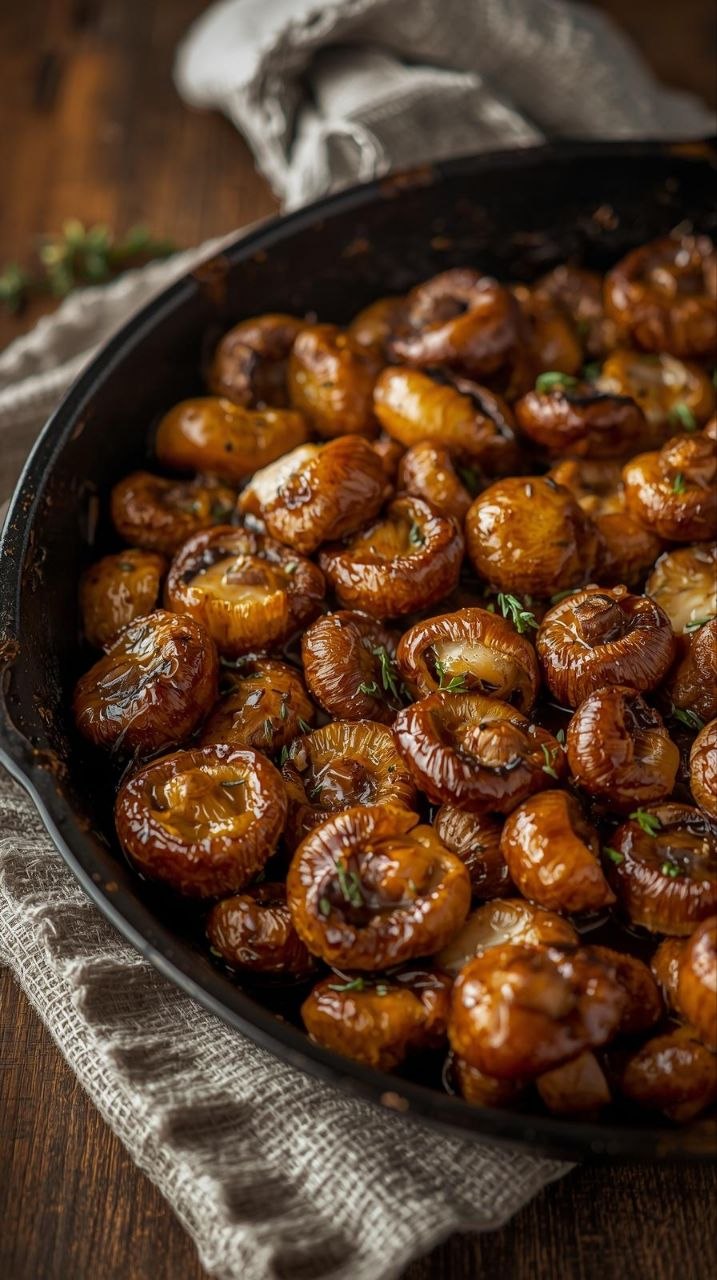
I keep cooking until the mushrooms look slightly golden and the pan sounds quieter. When they first go in, they hiss and release moisture. When they’re close to done, the sound drops off and they look glossy instead of wet.
From there, I taste one piece, adjust salt, maybe add soy sauce or pepper, then turn off the heat.
Mistakes I’ve Made Before
- Overcrowding the pan
I used to dump the entire punnet in at once, especially when I was hungry. The mushrooms steamed instead of browning. Now I either use a bigger pan or cook in two batches without thinking about it. - Adding salt too early
I used to salt them as soon as they hit the pan. It pulled out too much moisture and made them soggy. Now I wait until they’ve cooked slightly before salting. - Using heat that’s too high
I thought faster was better. It usually ended with burnt edges and raw centres. Medium heat just works more reliably. - Washing mushrooms under running water
They soak up water quickly. They then dump that water into the pan. Now I just brush off dirt or leave them alone unless they’re visibly dirty. - Walking away completely
They cook quickly. I once left them to check emails and came back to a dry pan and crispy bits. Now I stay nearby, even if I’m just leaning on the bench.
What I Now Do Automatically
I always preheat the pan.
I always give them space.
I wait for the moisture to cook off before deciding they’re done.
I taste before serving, even if I’m sure they’re fine.
5. Tweaks I’ve Settled On
Over time, I’ve tried a few variations, mostly by accident or because something else was in the fridge.
Adding butter right at the end instead of the start stuck around. It gives the mushrooms a softer finish and avoids burning the butter early.
Mixing olive oil and butter together works well too. The oil stops the butter from burning as fast. I do that if I remember, but it’s not essential.
Garlic timing changed for me. I used to add it at the beginning, but it burnt easily. Now it goes in halfway through cooking. That seems to be the sweet spot.
Changes That Didn’t Stick
Adding lots of herbs while cooking never felt worth it. They lose their flavour quickly and just clutter the pan.
Trying to make them crispy by leaving them longer didn’t work consistently. Oyster mushrooms tend to go dry rather than crunchy if pushed too far.
Using complicated sauces felt like overkill. The mushrooms already have a mild flavour that works best when not buried under too many extras.
Lazy Version vs Slightly Better Version
The lazy version is mushrooms, oil, salt, and maybe garlic. That’s it. It still works every time.
The slightly better version adds butter at the end, a splash of soy sauce, and maybe fresh herbs. It tastes more layered but still doesn’t require much extra thought.
6. Leftovers & Reuse
Leftover sauteed oyster mushrooms are usually worth keeping if I haven’t overcooked them. They hold their texture reasonably well overnight.
The next day, they tend to go slightly softer but still taste fine. I usually reheat them quickly in a pan rather than a microwave. The pan brings back some of the texture and stops them from going rubbery.
They’re easy to throw into omelettes, wraps, or fried rice. I’ve also put them on toast with scrambled eggs, which works without needing extra seasoning.
What I avoid is reheating them multiple times. Each reheating round makes them softer and a bit dull. One reheat is usually fine. After that, they lose their appeal.
I also avoid storing them in a sealed container while they’re still hot. They sweat and go soggy. I let them cool slightly first, which helps keep their texture better.
7. Common Questions
Do I have to tear oyster mushrooms, or can I cut them?
I tear them because it’s quicker, but cutting works fine. The cooking time stays roughly the same.
Can I use other mushrooms instead?
Yes, but cooking time and texture might change. Oyster mushrooms cook faster than many other types.
Do they need washing?
Only if they’re visibly dirty. Otherwise, brushing them clean is usually enough.
Can I cook them without oil or butter?
They can cook dry, but they’re more likely to stick and cook unevenly. A small amount of fat helps.
How do I know they’re done?
They shrink, soften, and develop light golden edges. The pan usually becomes quieter once moisture evaporates.
8. Wrap-Up
Sauteed oyster mushrooms stay in my dinner rotation because they remove unnecessary decisions. The ingredients are simple, the method is repeatable, and the cooking time is predictable. I don’t have to check a recipe or second-guess anything once I start.
It’s mentally easy because the process follows the same pattern every time. Heat pan, cook mushrooms, season, eat. There’s no juggling or timing stress, which makes it reliable on nights when my brain has already clocked off.
I keep coming back to it because it fits around whatever else is happening in my week. It doesn’t demand planning, and it doesn’t punish shortcuts. It just does its job and gets dinner on the table without much fuss.
RECIPE CARD
Sauteed Oyster Mushrooms
Prep Time: 5 minutes
Cook Time: 10 minutes
Total Time: 15 minutes
Servings: 2
Ingredients
- 250–300g oyster mushrooms
- 1–2 tablespoons olive oil or butter
- 1 clove garlic, minced (optional)
- Salt, to taste
- Black pepper, to taste (optional)
- 1 teaspoon soy sauce or squeeze of lemon (optional)
Instructions
- Tear oyster mushrooms into bite-sized pieces.
- Heat a frying pan over medium heat.
- Add oil or butter and allow to warm.
- Add mushrooms in a single layer.
- Cook without stirring for 1–2 minutes.
- Stir or flip mushrooms and continue cooking.
- Add salt and garlic once mushrooms begin to soften.
- Cook until mushrooms are tender and lightly golden.
- Add optional soy sauce, pepper, or lemon.
- Serve immediately.
Notes
- Avoid overcrowding the pan.
- Medium heat provides consistent results.
- Mushrooms release moisture before browning.
- Best served fresh but can be reheated once.